
Commercial temporary power is usually planned around one question first: what equipment needs to run, and for how long?
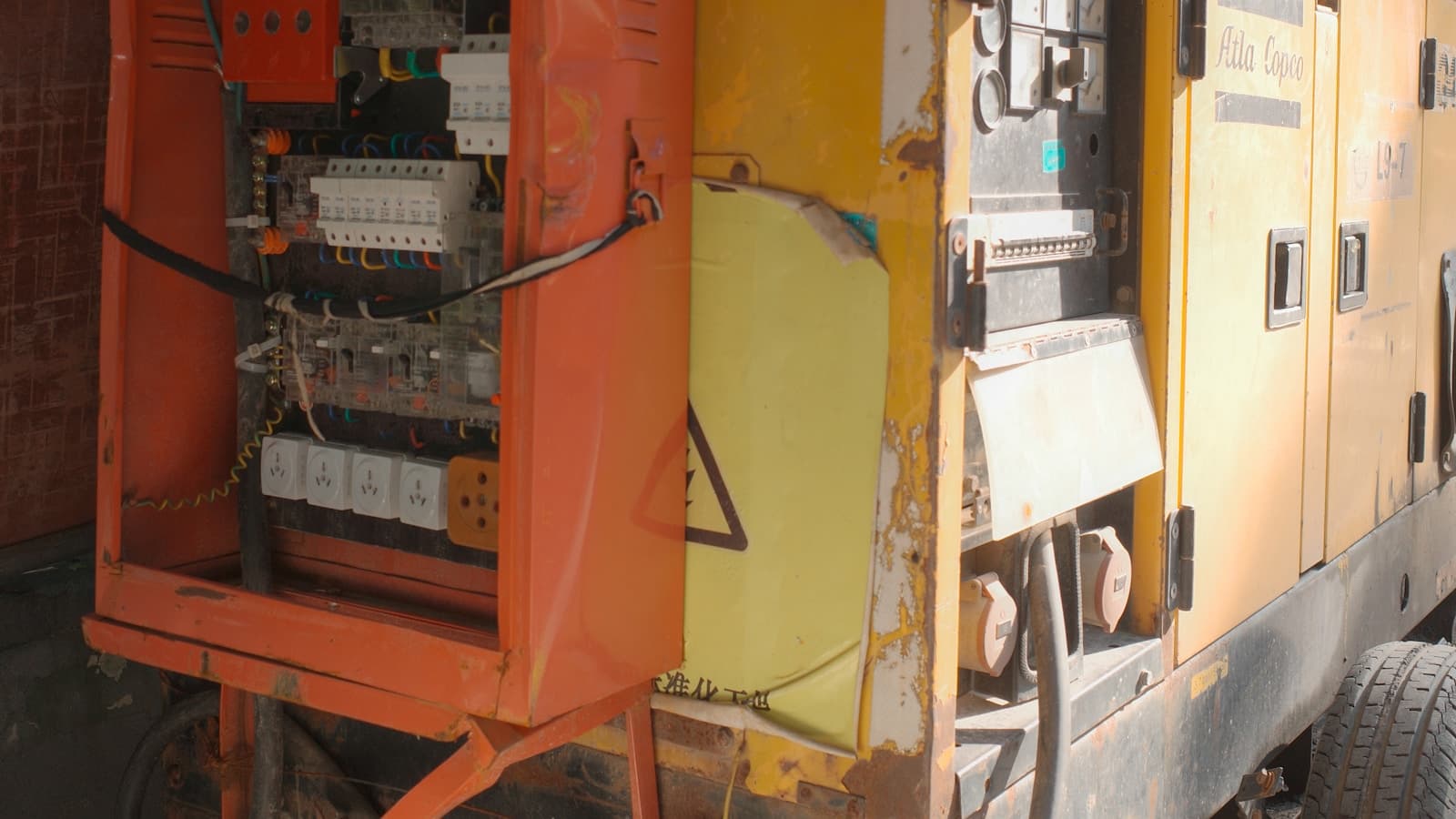
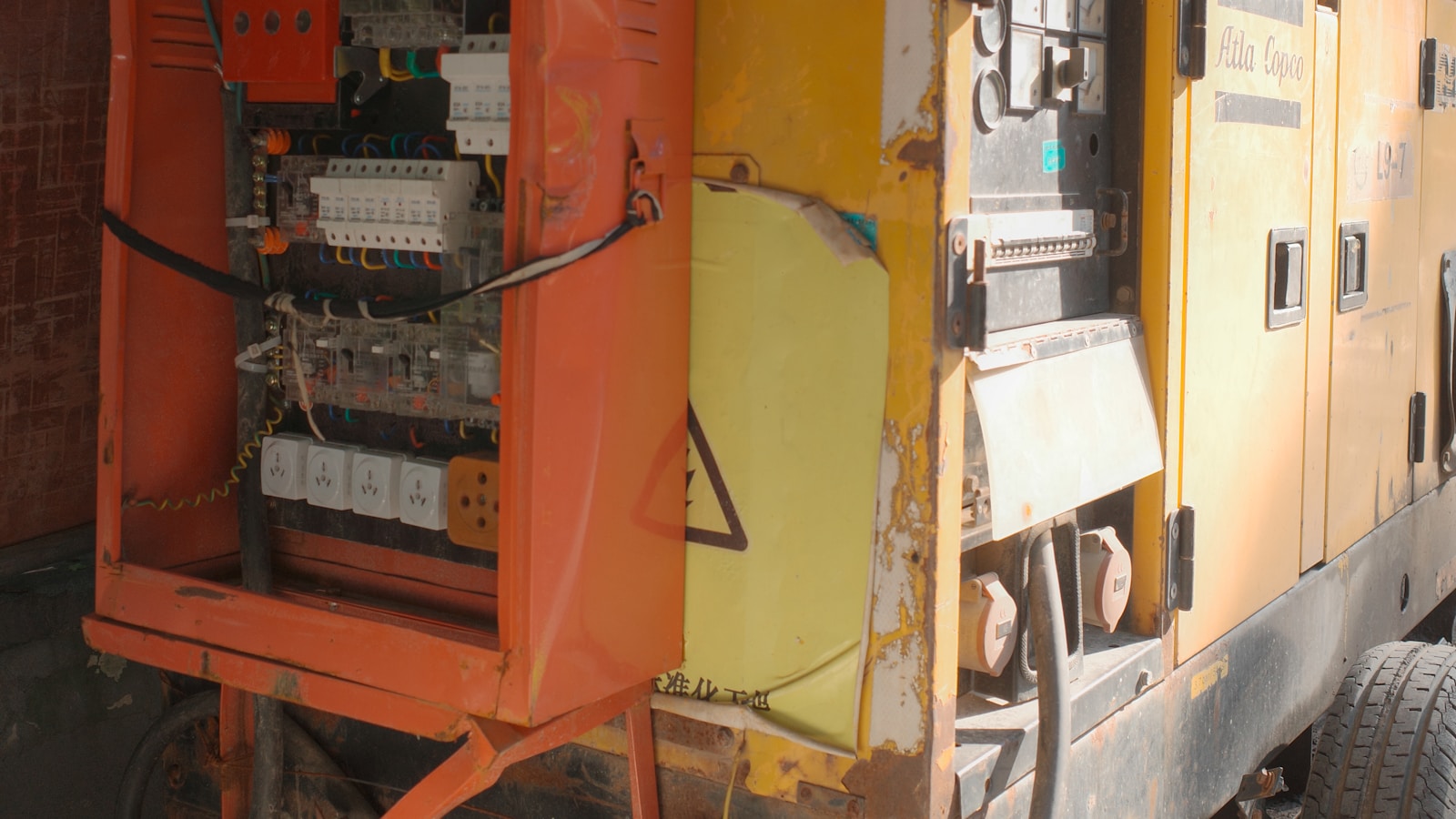
For many years, the default answer was a diesel generator. Diesel systems are familiar, widely available, and capable of long runtimes when fuel supply is managed. They still have a role on many commercial sites.
Battery-based electric generators are now a practical option for more of the same work. They are especially useful where noise, exhaust, fuel handling, indoor access, or low-load runtime creates problems for a diesel-only setup. The Apex Station is built for this part of the market: a commercial battery energy storage system with 30 kW continuous output and 120 kWh of LiFePO4 capacity for larger temporary power needs.
What counts as an electric generator?
In this context, an electric generator is a battery energy storage system that delivers AC power through an inverter. It does not create electricity by burning fuel on site. Instead, it stores energy and supplies it when needed.
The system can recharge from:
- Grid power
- A diesel or gas generator
- Solar PV
- A planned hybrid setup using more than one source
That makes an electric generator different from a small consumer power station. Commercial systems such as the Apex Station are designed around higher output, larger energy capacity, multi-circuit site use, and deployment planning.
Quick comparison
| Factor | Electric battery generator | Diesel generator |
|---|---|---|
| On-site noise | Very low during discharge | Engine noise during operation |
| On-site exhaust | No direct exhaust while discharging | Exhaust must be managed |
| Fuel handling | No fuel during battery operation | Requires fuel supply, storage, and refueling |
| Runtime | Limited by stored kWh and recharge plan | Limited by fuel tank and refueling plan |
| Best load profile | Intermittent, moderate, low-load, or sound-sensitive loads | Long-duration high loads and heavy continuous demand |
| Maintenance | Fewer moving parts | Engine service, fluids, filters, and regular maintenance |
| Placement | Can often sit closer to loads | Placement must account for sound, exhaust, and access |
| Hybrid use | Can reduce generator runtime and idling | Can recharge the battery during planned windows |
Where diesel generators are still useful
Diesel generators remain useful when a site has heavy continuous loads, uncertain runtime, limited recharge access, or a need for fast refueling. They are also familiar to rental teams, site supervisors, and electrical contractors.
Diesel may be the simpler option for:
- Large equipment with high continuous draw
- Remote projects with no grid and limited solar potential
- Multi-day operations where fuel delivery is already planned
- Emergency backup where runtime must continue through extended outages
- Sites where engine noise and exhaust are manageable
The tradeoff is that diesel systems create operating requirements beyond electrical output. Fuel deliveries, refueling windows, exhaust placement, engine maintenance, spill prevention, noise, and idling all become part of the power plan.
Where electric generators are a better fit
Battery-based systems are strongest when the load profile is variable or when the site has constraints around sound, air quality, access, or operating windows.
Common fits include:
- Film production sets where microphones, talent areas, DIT, video village, and base camp need quiet power
- Construction trailers, tool charging, lighting, security, communications, and overnight loads
- Greenhouses and farms with controls, pumps, fans, sensors, and remote electrical needs
- Indoor or enclosed work areas where combustion equipment is impractical
- Events, broadcast sites, and municipal operations near public areas
- Off-grid sites where solar or scheduled generator recharge can support the battery
The main planning difference is that a battery system is sized by both kW and kWh.
The kW rating tells you how much power can be delivered at one time. The kWh rating tells you how much stored energy is available over time. A site may have a modest average load with short peaks, or it may have a steady load that runs for hours. Those two sites may need different equipment even if their peak draw looks similar.
How the Apex Station compares
The Apex Station is designed for commercial deployments where smaller portable stations do not have enough output or capacity.
Key specifications include:
- 30 kW continuous output
- 120 kWh LiFePO4 battery capacity
- Approximately 4 hours at full load, with longer runtime at lower average loads
- Grid, generator, and solar charging compatibility
- Up to 30 kW PV input
- Single-phase and 3-phase configurations available
- Silent operation during discharge
- Zero direct emissions during discharge
- Skid-mounted deployment for forklift or flatbed repositioning
This makes the Apex Station a fit for larger commercial work such as film production compounds, multi-zone construction support, remote site operations, farms, greenhouses, events, and industrial work with restricted noise or combustion-equipment areas.
It is not simply a replacement for every diesel generator. It is a different planning tool. In some cases it can replace a generator. In other cases it works best as part of a hybrid setup where the diesel generator runs fewer hours and the battery handles the quieter or lower-load periods.
Example: construction site power
A construction site may have several types of demand:
- Office trailer power
- Tool charging
- Temporary lighting
- Security systems
- Internet and communications
- Pumps or fans
- Intermittent high-draw tools
- Overnight monitoring loads
A diesel generator can cover these loads, but it may spend long periods running lightly loaded. That can waste fuel and add noise during periods when the site only needs a small amount of power.
An Apex Station setup can carry the lower and moderate loads quietly, then recharge from grid, solar, or a scheduled generator run. For sites with heavier loads, the diesel generator can remain available for peak demand while the battery reduces idle hours and supports quiet periods.
Example: film production power
Film sets often have separate power zones:
- Camera village
- DIT and data management
- Monitors and video assist
- Lighting support
- Base camp
- Hair, makeup, and wardrobe
- Catering or craft services
- Production office trailers
Diesel generators are common on production sites, but sound and placement can be difficult. Generators may need to sit far from set, which increases cable runs and layout complexity.
Battery power can sit closer to sensitive loads because it operates quietly and produces no local exhaust while discharging. The Apex Station is sized for larger production compounds where a small portable station is not enough for multiple departments at once.
Example: farms and greenhouses
Agricultural and greenhouse operations often use a mix of continuous and intermittent loads:
- Ventilation fans
- Irrigation controls
- Pumps
- Sensors and monitoring systems
- Supplemental lighting
- Refrigeration or cold storage support
- Remote office or workshop loads
Diesel generators can support these loads in remote areas, but fuel logistics and maintenance can become part of the operating routine. A battery system can reduce generator runtime when loads are predictable, and solar charging may be useful where site conditions allow it.
For greenhouses, the absence of local exhaust during discharge can also simplify placement compared with combustion equipment.
When hybrid power is the practical middle option
Many commercial sites do not need a battery-only or diesel-only setup. They need a planned mix.
A hybrid setup can use the Apex Station to:
- Run quiet loads during filming, overnight work, public access hours, or low-demand periods
- Reduce generator idling
- Shift generator runtime to scheduled windows
- Recharge from solar when available
- Keep diesel capacity available for high-demand equipment
- Place clean power closer to the work while keeping combustion equipment farther away
This approach is often practical for sites where the average load is much lower than the peak load. Instead of sizing every hour around the highest possible draw, the site can use the battery for normal operation and bring in generator support when needed.
Questions to ask before choosing
Before choosing between an electric generator, diesel generator, or hybrid setup, build a simple load and site profile.
Useful questions include:
- What is the peak load in kW?
- What is the average load over a workday?
- Which loads must run continuously?
- Which loads only run for short periods?
- Are there sound limits, residential neighbors, microphones, tenants, or public areas nearby?
- Is exhaust a concern because of enclosed spaces, air intakes, greenhouses, or occupied buildings?
- Is grid charging available?
- Is solar charging practical at the site?
- How often can equipment be recharged or refueled?
- Does the site need one central power source or multiple power zones?
The answers usually make the direction clear. Diesel is often strongest for extended high-load operation. Battery systems are often strongest for quiet, clean, low-maintenance site power with a defined energy plan. Hybrid systems sit between the two.
Final takeaway
Electric generators and diesel generators serve different parts of commercial temporary power planning.
Diesel generators provide familiar long-runtime support where fuel logistics are acceptable. Battery systems such as the Apex Station provide quiet, zero-direct-emission power for commercial sites where noise, exhaust, idling, access, or low-load operation needs a different approach.
For many construction sites, film productions, farms, greenhouses, and off-grid projects, the strongest setup is often a hybrid plan: use the battery for daily site power and quiet periods, then use diesel, grid, or solar as the recharge source when needed.
References used for general context include OSHA guidance on occupational noise exposure in construction, EPA information on diesel emissions, and the Skyridge Power Apex Station product specifications.