
Trailer And Office Support
Power trailers, communications, and day-to-day operational loads with a more flexible temporary setup while utilities are still pending or site conditions are changing.
Industries
Skyridge Power helps contractors and project teams deploy battery-first temporary power for active jobsites, trailers, charging demand, and hybrid energy plans that reduce generator dependence.
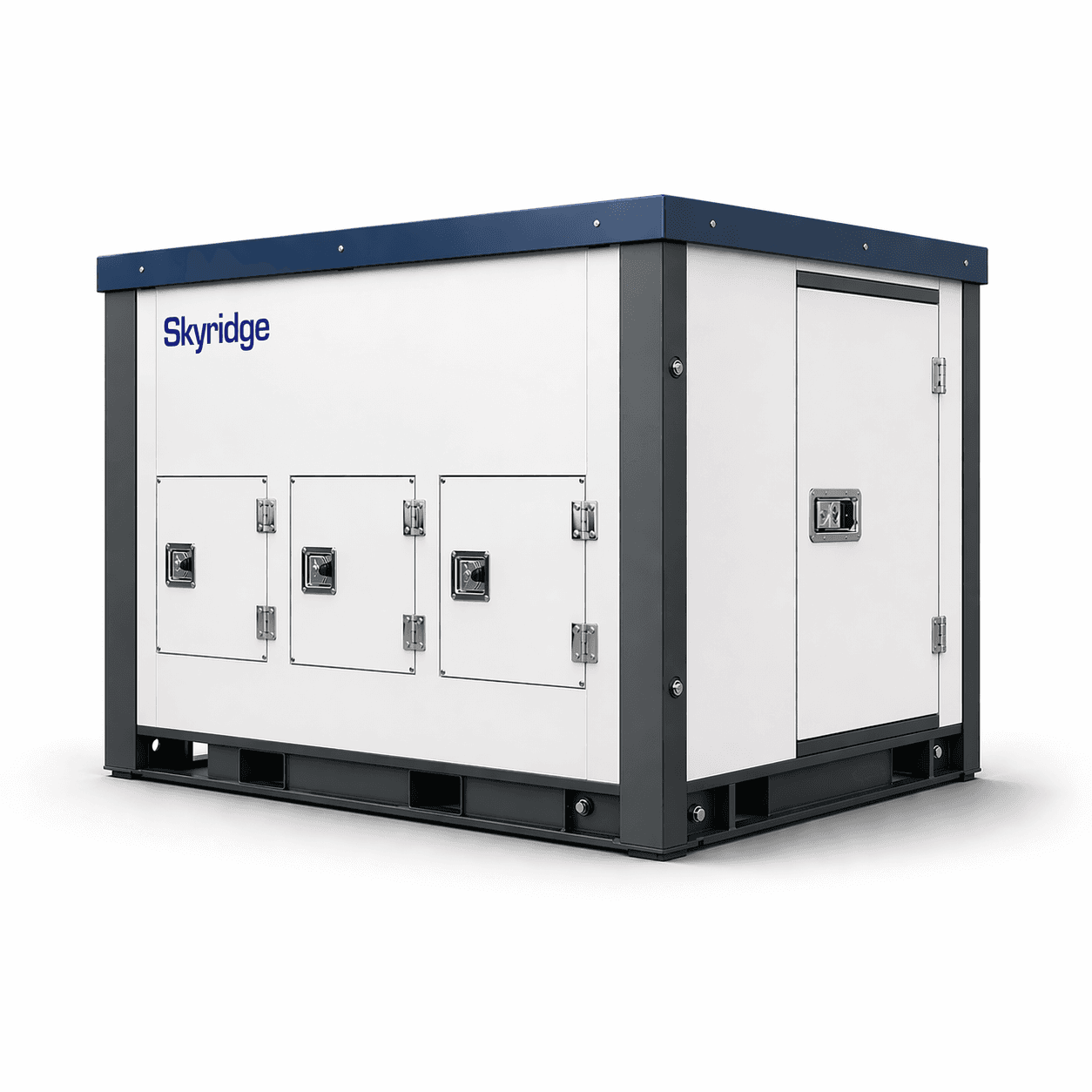
Construction power planning has to account for changing phases, variable loads, site access, equipment charging, and worker safety. Battery energy storage helps stabilize those conditions while reducing noise and unnecessary runtime.
Jobsites are balancing productivity, utility coordination, fleet electrification, and site restrictions. A portable battery solution gives teams another way to cover temporary demand without defaulting every load to generator power.
Power trailers, communications, and day-to-day operational loads with a more flexible temporary setup while utilities are still pending or site conditions are changing.
Battery systems can absorb fluctuating demand patterns better than a generator-only approach, especially when loads rise and fall across the workday.
Cleaner, quieter power can improve the working environment on urban projects, interior phases, and sites where neighbors or schedule constraints matter.
We help teams evaluate load mix, runtime expectations, access, and where battery energy storage, portable stations, solar support, or hybrid charging make the most operational sense.
We review what needs to be powered now, what loads are coming next, and what access or utility constraints affect the temporary power plan.
The system is matched to site trailer demand, charging needs, intermittent equipment support, or larger hybrid power requirements.
Units are placed where they support workflow while respecting access, staging, safety, and future construction sequencing.
Battery and hybrid configurations are planned so crews can reduce unnecessary generator hours while keeping reliable coverage on site.
Battery-first temporary power works best when it is tied to a clear use case rather than treated like a generic replacement for every site condition.
The right package depends on the phase of work and the loads that matter most. We structure setups around site reality, not generic catalog language.
A clean, dependable setup for site offices, communications, and support equipment while utility service is pending or limited.
Built for intermittent site demand, battery charging, and cleaner day-to-day temporary power coverage.
For extended runtimes and more demanding projects where battery storage should be combined with a backup charging source.
A few quick answers to the questions contractors and project managers ask most often.
Not always. Some jobs are best served by a battery-first strategy, while others are better with a hybrid system. The right answer depends on demand, runtime, and where quiet or clean operation creates the most value.
Yes. Battery and hybrid systems can support early site operations, trailers, and transitional phases while permanent power is not yet in place.
Yes. Good temporary power planning should follow the job sequence so the system keeps matching site conditions as the work evolves.
Share your current phase, expected loads, and site constraints. We can help outline the right temporary power approach.