
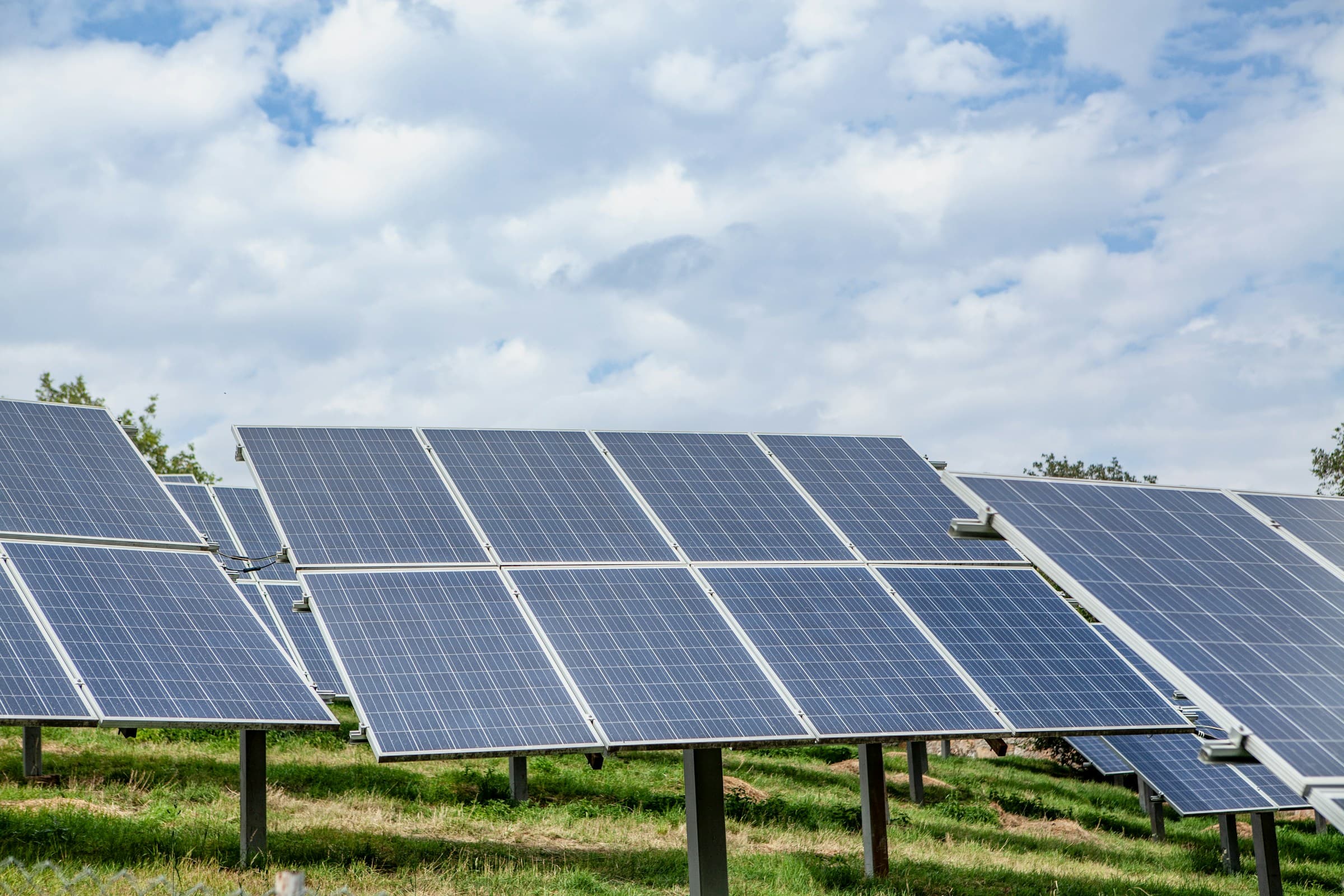
Solar charging does not stop the moment clouds roll in. Photovoltaic panels can still use diffuse sunlight, which is sunlight scattered through the atmosphere rather than arriving as a strong direct beam.
The catch is output. A panel that performs well in bright sun may produce a fraction of its rated power under heavy cloud cover. For portable power station users, campers, homeowners, and field crews, cloudy weather is not a reason to ignore solar. It is a reason to plan with more realistic numbers.
If you want the deeper background on panel ratings, read our guide to solar panel efficiency. This article focuses on what cloudy weather feels like in day-to-day charging.
Do solar panels work on cloudy days?
Yes. Solar panels work when daylight reaches the cells, even if the sun is hidden.
Clouds reduce the amount of solar radiation reaching the panel surface. The thicker and darker the cloud layer, the lower the output. A bright, thin overcast day may still produce useful charging. A stormy afternoon with dark clouds may produce very little.
In practical terms, expect cloudy-day production to be variable. You might see a portable panel move between strong charging, weak charging, and almost nothing as clouds pass.
What output should you expect?
There is no single percentage that applies everywhere, but these planning ranges are useful:
| Condition | What to expect |
|---|---|
| Bright sun | Strongest output, closest to rated conditions |
| Light haze or thin cloud | Noticeable reduction, often still very usable |
| Broken clouds | Output jumps up and down throughout the day |
| Heavy overcast | Low output, sometimes only a small fraction of panel rating |
| Rain or storm clouds | Very limited charging, especially if the sky is dark |
A 400W solar array may briefly produce a strong number in good sun, then fall sharply when cloud cover thickens. For battery planning, the daily watt-hours collected are more important than the best momentary watt reading.
Why cloudy charging is so inconsistent
Clouds affect solar in several ways:
- They block direct sunlight
- They scatter light across the sky
- They change quickly, which causes output swings
- They reduce the number of high-production hours in the day
- They can arrive with rain, shade, and darker sky conditions
This is why a power station display may look jumpy during broken-cloud conditions. A panel can climb toward strong output when the sun appears, then drop within seconds when the next cloud moves across.
The cloud-edge effect
Sometimes solar output briefly spikes on partly cloudy days. This can happen when sunlight reflects or refracts around the edge of a cloud while direct sunlight also reaches the panel.
Those moments are real, but they are not something to count on for a daily energy plan. Treat them as bonus charging, not dependable production.
Cloudy weather and portable power stations
Portable power station users should think in energy budget terms.
If your loads use 1200Wh per day and your cloudy solar setup only collects 300Wh, solar is helping, but the battery is still losing ground. If your loads use 300Wh and your panels collect 300Wh, you may be close to energy-neutral even with clouds.
For camping, home backup, and field work, ask:
- How many watt-hours do my loads use each day?
- How much can my panels realistically collect in poor weather?
- How many cloudy days can the battery cover without full recharge?
- Can I reduce loads when solar input is weak?
- Do I have another recharge option?
For outage planning examples, see our guide to home backup power station sizing.
Panel angle still helps
On heavily overcast days, light is more diffuse, so perfect aiming becomes less important than it is under direct sun. But panel placement still helps.
For portable solar panels:
- Keep panels open to the brightest part of the sky
- Avoid shade from vehicles, trees, tents, and buildings
- Tilt panels when the sun appears through broken clouds
- Keep the panel surface clean and dry when practical
- Move panels during the day if the setup is easy to adjust
The biggest mistake is leaving a panel partly shaded. Even a small shadow can pull output down more than the cloud cover itself.
Bigger panels versus bigger battery
Cloudy-weather planning usually comes down to two choices: add more solar input or add more stored energy.
More panels help when:
- You have enough space to deploy them
- Your power station can accept the extra solar input
- The clouds are light or broken enough to collect meaningful energy
- You want faster recovery when sun returns
More battery capacity helps when:
- Cloudy stretches last more than one day
- You have critical loads that cannot be paused
- Panel deployment space is limited
- The weather is too dark for useful charging
The best setup often uses both: enough battery to ride through weak solar periods and enough panel capacity to recover when conditions improve.
Watch the solar input number
Most modern portable power stations show live solar input in watts. That display is useful because it turns vague weather into real data.
Try checking the input:
- In full sun
- Under thin cloud
- Under heavy overcast
- With panels flat versus tilted
- With one corner shaded
- In morning, noon, and late afternoon
After a few tests, you will understand your own system better than any generic rating chart can explain.
Final takeaway
Solar charging in cloudy weather is useful, but it should be treated as reduced and variable production. Panels can still generate power from diffuse daylight, yet heavy cloud cover can cut output sharply.
For reliable planning, focus on daily watt-hours, not peak panel watts. Size the battery for the loads you cannot lose, use solar to extend runtime and recover charge, and keep another recharge option available when several cloudy days line up.