
Air Quality Concerns
Battery systems reduce the need to bring combustion equipment directly into sensitive work areas.
Industries
Skyridge Power provides battery-based temporary power for interior build-outs, covered areas, and ventilation-limited work zones where combustion-powered equipment creates added risk and operating friction.
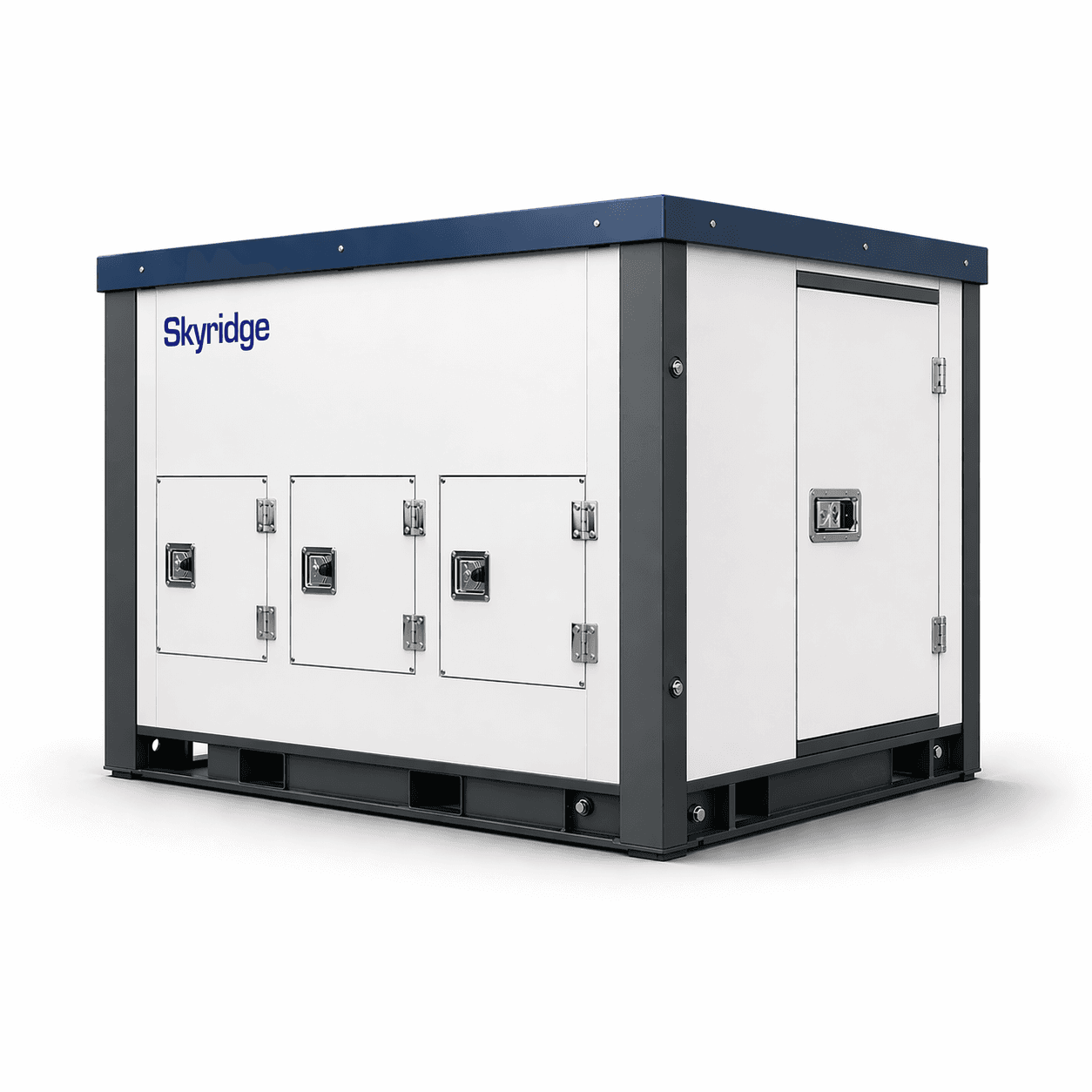
Indoor and semi-enclosed projects often need power in places where exhaust, noise, and fuel handling are especially disruptive. Battery systems give teams another way to cover that demand.
Ventilation-limited work zones change the power conversation. What works outdoors is not always the right fit for interior, underground, or covered environments.
Battery systems reduce the need to bring combustion equipment directly into sensitive work areas.
Crews can work around quieter, cleaner power sources instead of managing the drawbacks of exhaust-producing equipment nearby.
Portable systems are easier to stage where work is actually happening, which can simplify short cable runs and local support loads.
We review the space, the loads, the ventilation limitations, and the expected runtime so the temporary power setup fits the actual environment.
We identify where combustion power is undesirable or impractical because of air quality, worker density, or physical constraints.
The required load and runtime determine whether a portable station, larger battery system, or hybrid support strategy makes the most sense.
Units are positioned to support the work area while respecting access, safety, and cable management.
Recharge is planned around available utility access or another appropriate charging source so crews stay productive.
These projects vary, but the same advantage shows up repeatedly: cleaner power where combustion introduces more problems than it solves.
The best setup depends on how much power needs to be moved into the space and how long it must stay available.
Compact power for lighter-duty loads and short-term support where mobility matters most.
A larger battery-based setup for enclosed project areas with recurring daily demand.
For longer schedules where battery power should be paired with a controlled recharge strategy.
Short answers to common planning questions.
Because enclosed or semi-enclosed environments often benefit from cleaner operation with less local exhaust and less noise near active crews.
Yes. The right equipment depends on the specific devices, their duty cycle, and how long power must remain available.
No. Portable stations are one option, but larger battery systems can also be considered depending on the project scope.
If your team is working in a space where combustion creates added problems, we can help you outline a cleaner setup.