
Mission Alignment
Battery-first systems help temporary operations better reflect the sustainability goals of the project itself.
Industries
Skyridge Power supports clean energy and lower-emission operations with portable battery storage, solar-assisted systems, and hybrid temporary power planning designed around practical project conditions.
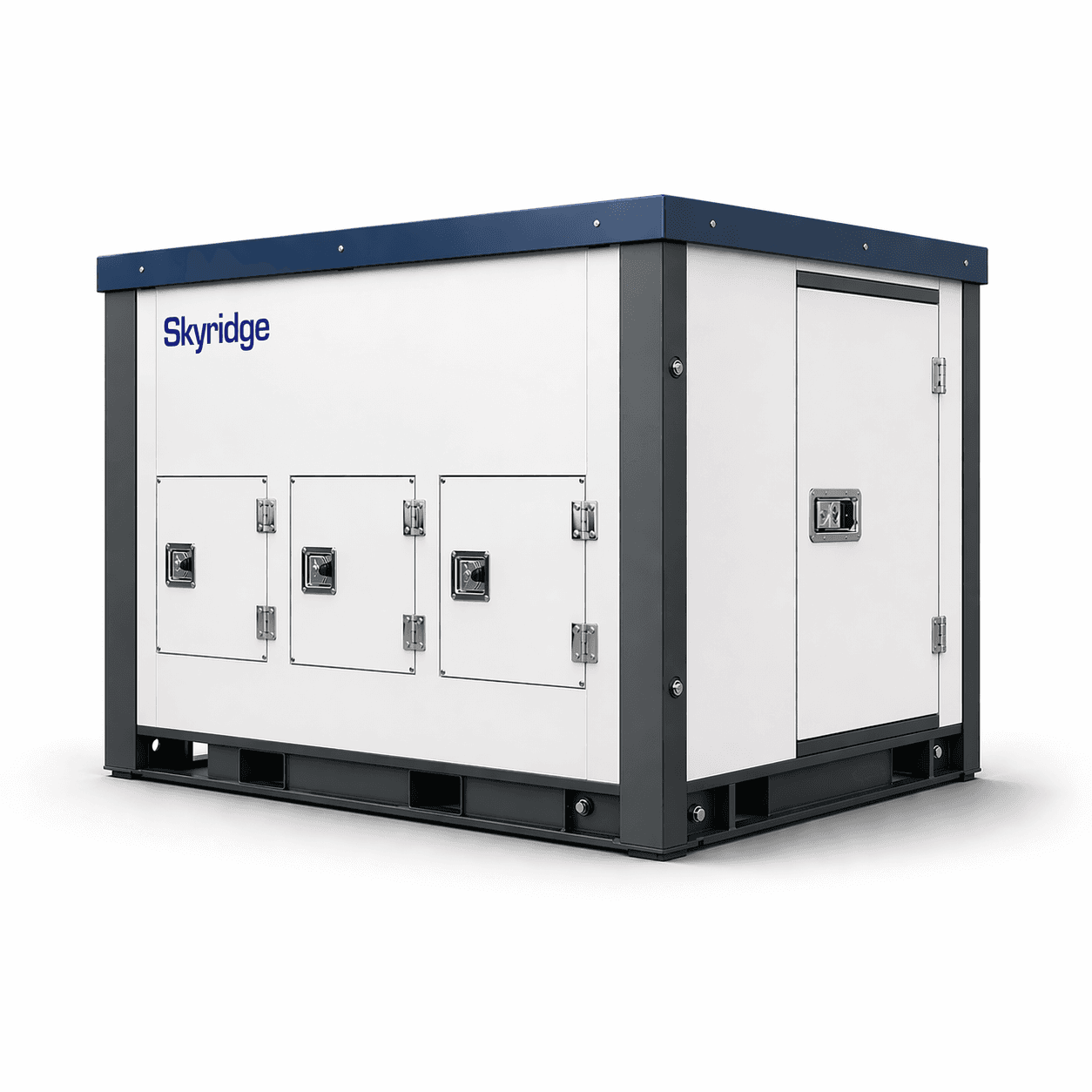
Some projects are not only looking for temporary power. They are looking for a cleaner operating model that better reflects sustainability goals, reporting expectations, or a broader transition away from combustion-first workflows.
Even projects centered on sustainability need dependable field power. The challenge is building that temporary solution in a way that aligns with the broader mission of the work.
Battery-first systems help temporary operations better reflect the sustainability goals of the project itself.
Where site conditions and schedules allow, solar-assisted charging can support a more resilient and lower-emission setup.
A cleaner strategy still has to deliver dependable runtime, transportability, and practical field performance.
We work backward from load, runtime, mobility, and sustainability priorities to create a temporary or portable power plan that is realistic and field-ready.
We clarify whether the priority is reducing noise, lowering emissions, integrating solar support, or improving overall power flexibility.
The equipment mix is matched to the load profile and how portable or stationary the deployment needs to be.
We plan around utility access, solar contribution, or a hybrid recharge source depending on the project.
The finished setup is designed to be straightforward for crews to deploy, move, and manage on site.
Clean energy projects vary widely, but they often share the same need for a temporary power solution that supports the site without undercutting the mission.
We can structure a package around portability, solar integration, or broader site-level support depending on the application.
A smaller-format option for mobile crews and lighter field loads.
Combines battery storage with renewable charging support where site conditions make it worthwhile.
For projects that need the sustainability benefits of battery-first planning with a dependable fallback charging strategy.
A few common questions from teams evaluating battery-first temporary power.
Yes, where the site, season, and load profile make solar support practical. It is one of several charging strategies we can consider.
Often yes. A hybrid strategy can improve runtime confidence while still materially reducing generator dependence.
Yes. Good planning should account for both operational realities and the broader energy goals of the project.
Let us know the site conditions, target loads, and sustainability priorities. We can help shape a practical temporary power plan.